
- 2
- Bedrooms
- 1
- Bathrooms
- 1
- Rooms
- 69 m2
- Property Size
- 2
- Piano
Description
HISTORIC CENTER – In the prestigious setting of Via Giulia, we offer a 69 m2 apartment for rent, located inside a period building with an elevator.
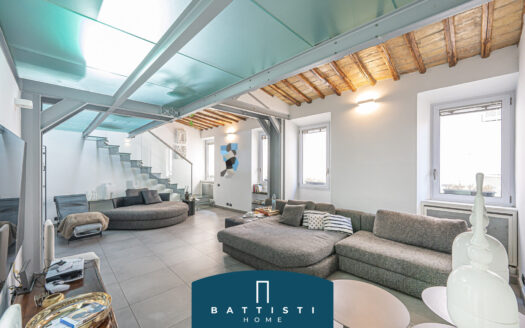
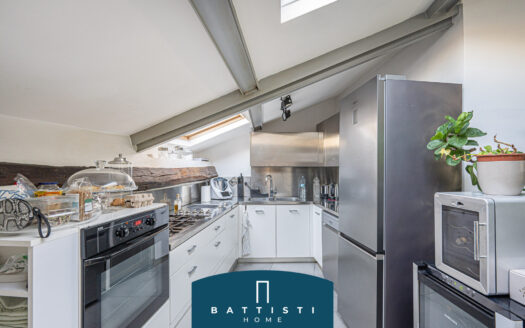
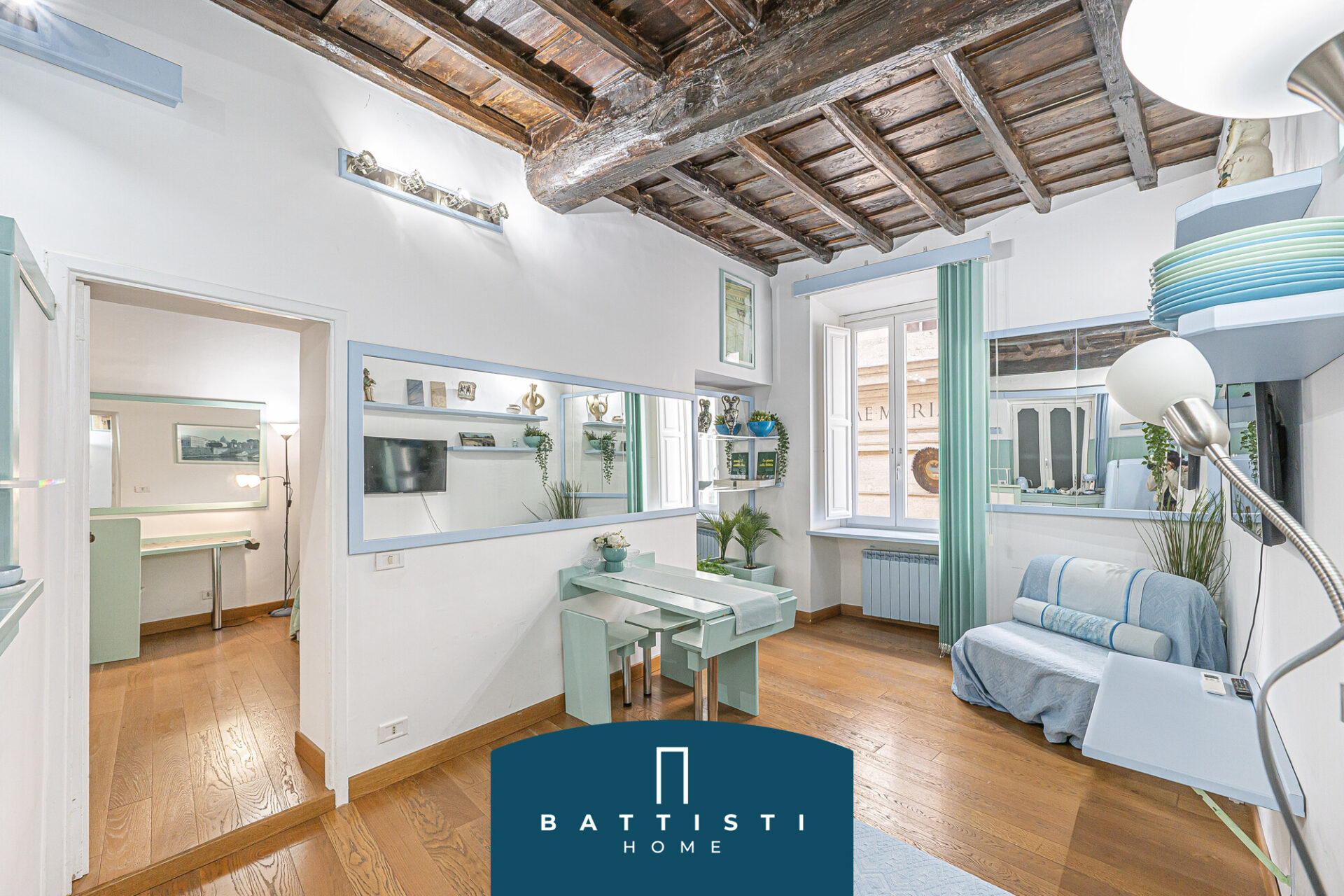
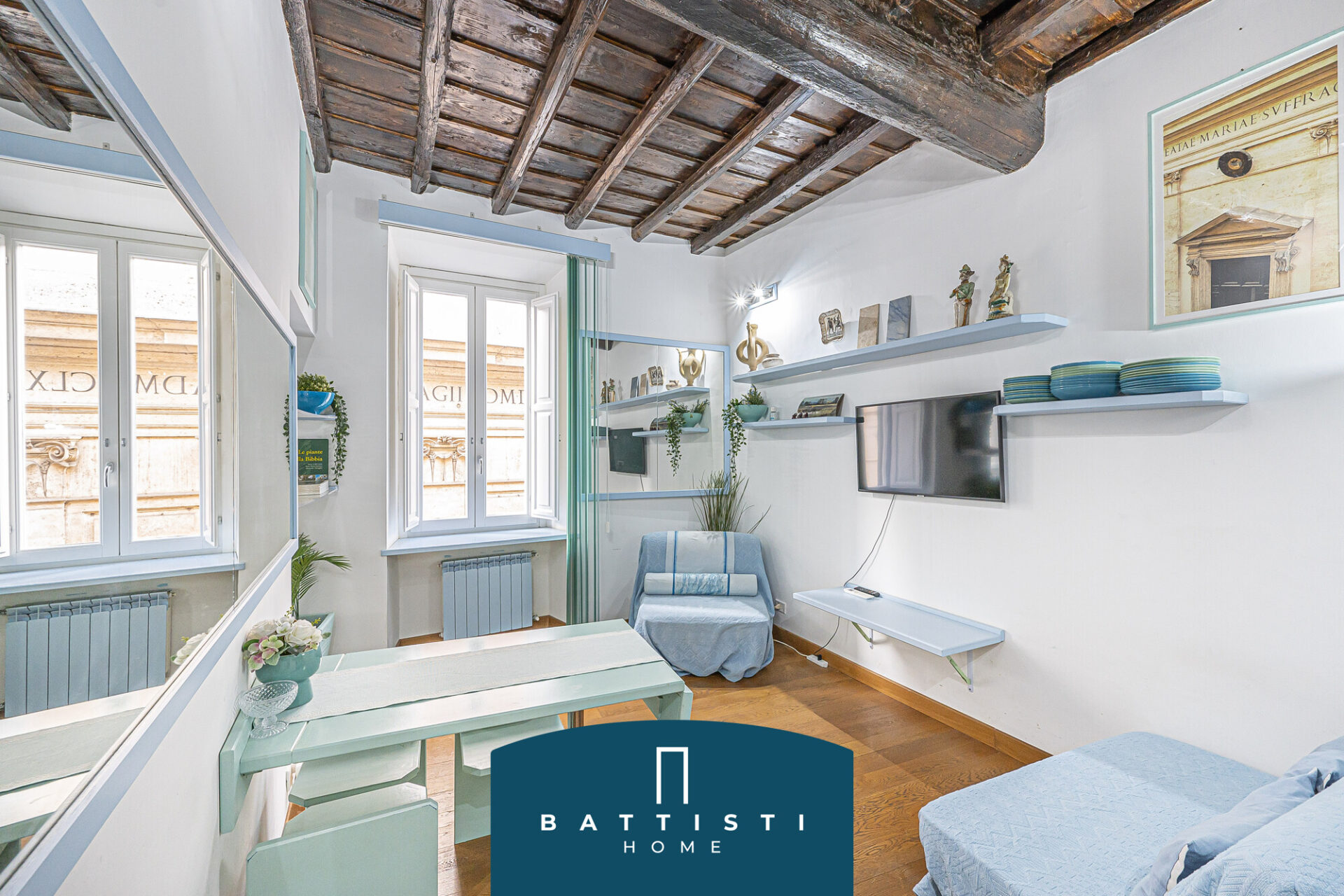
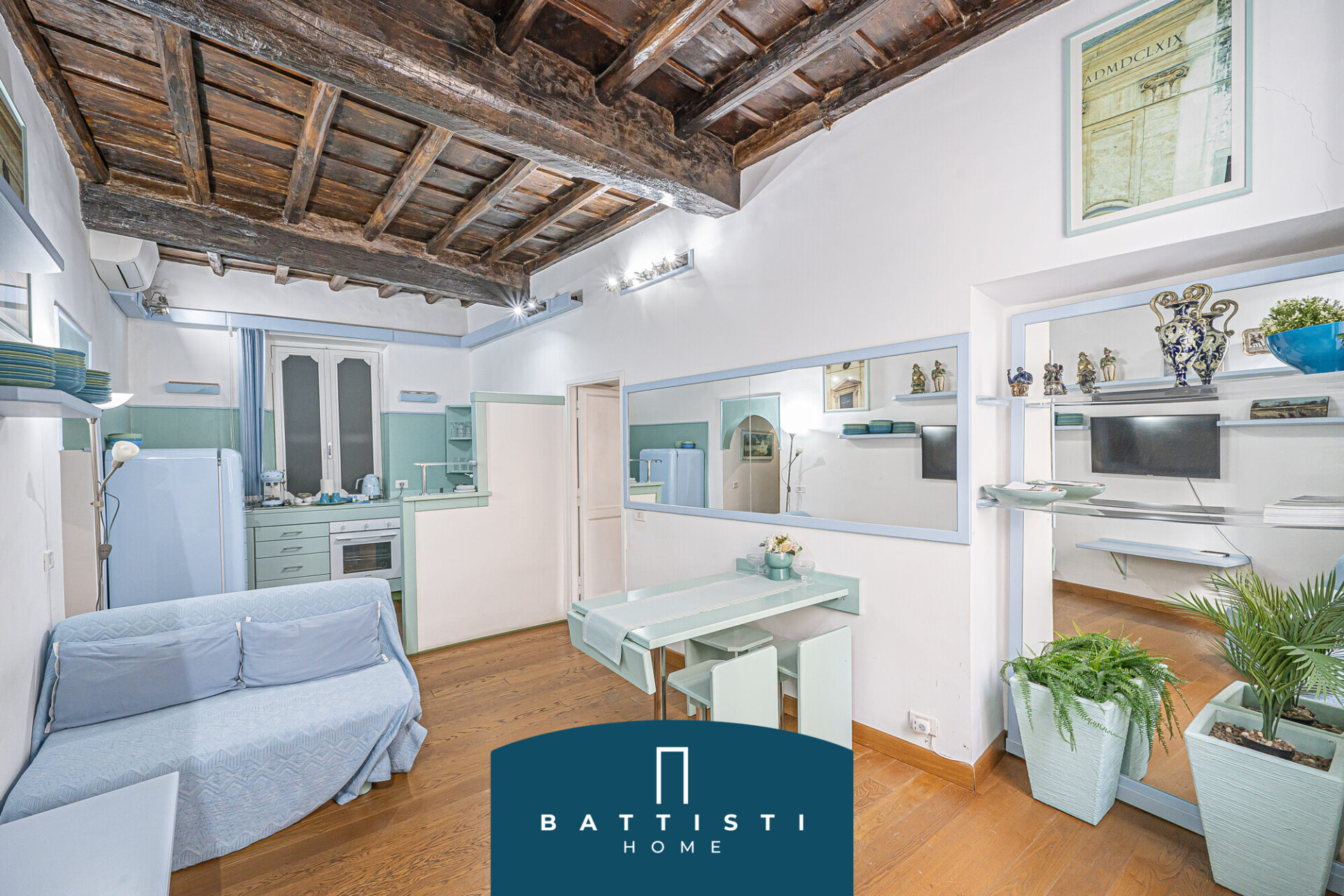
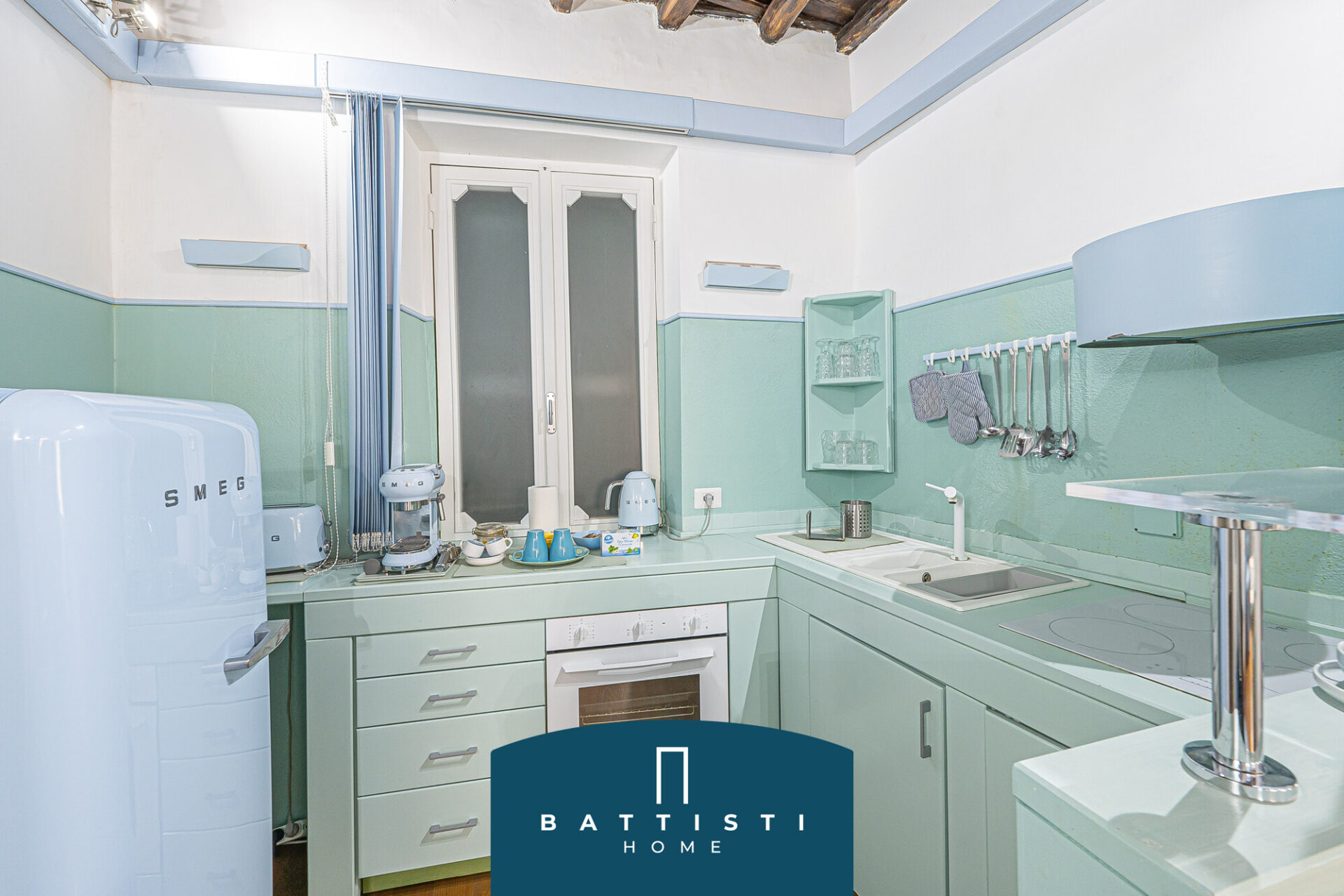
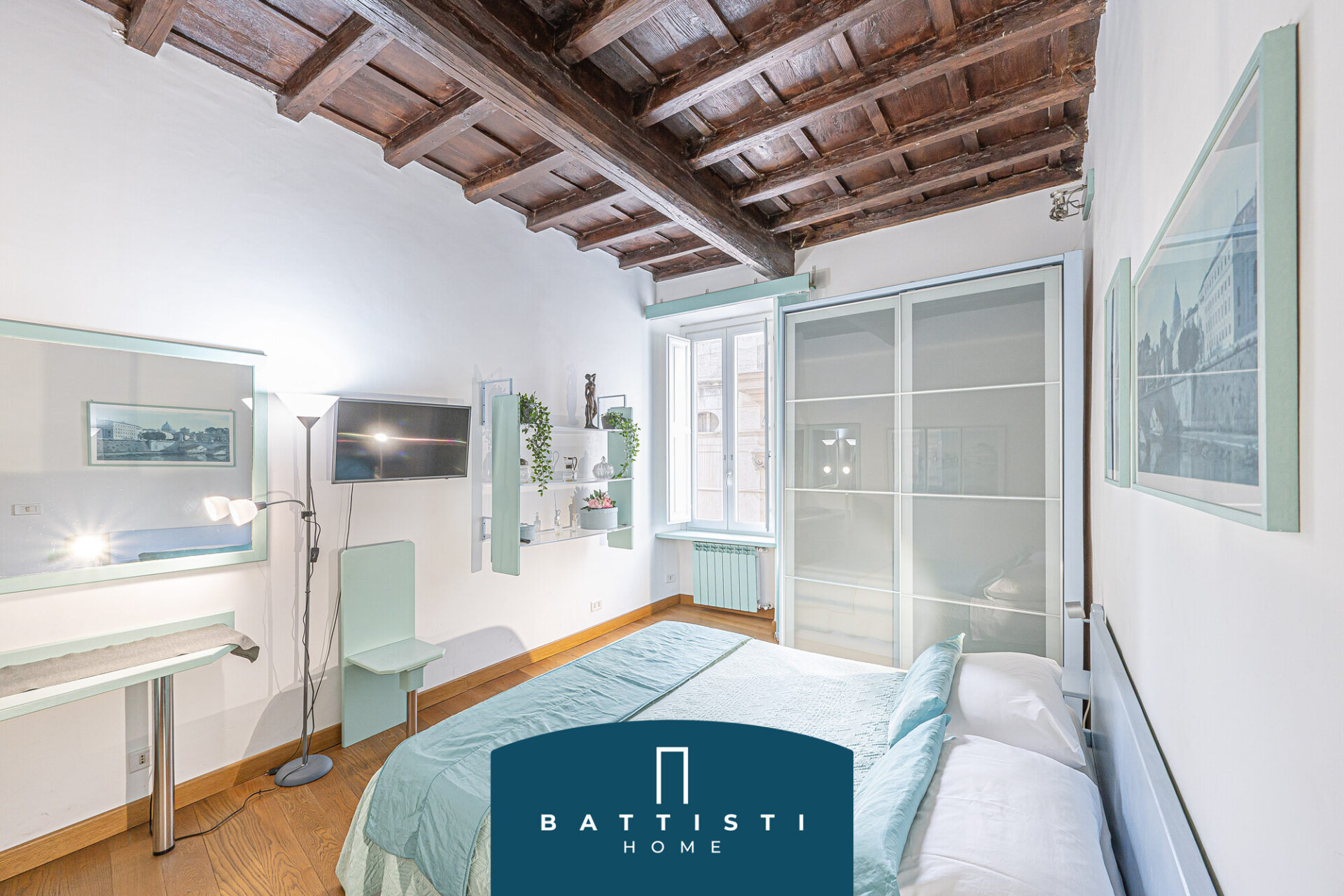
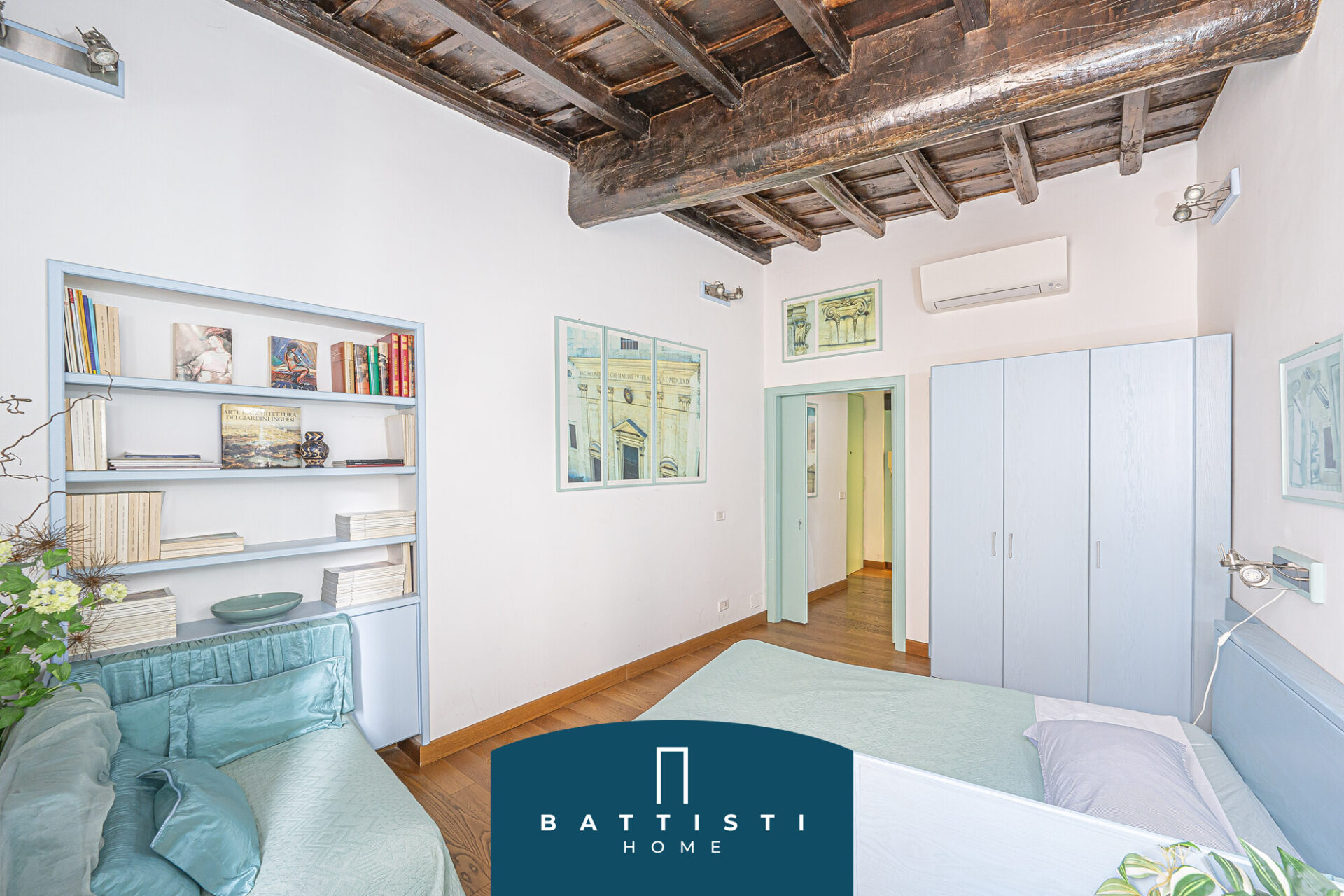
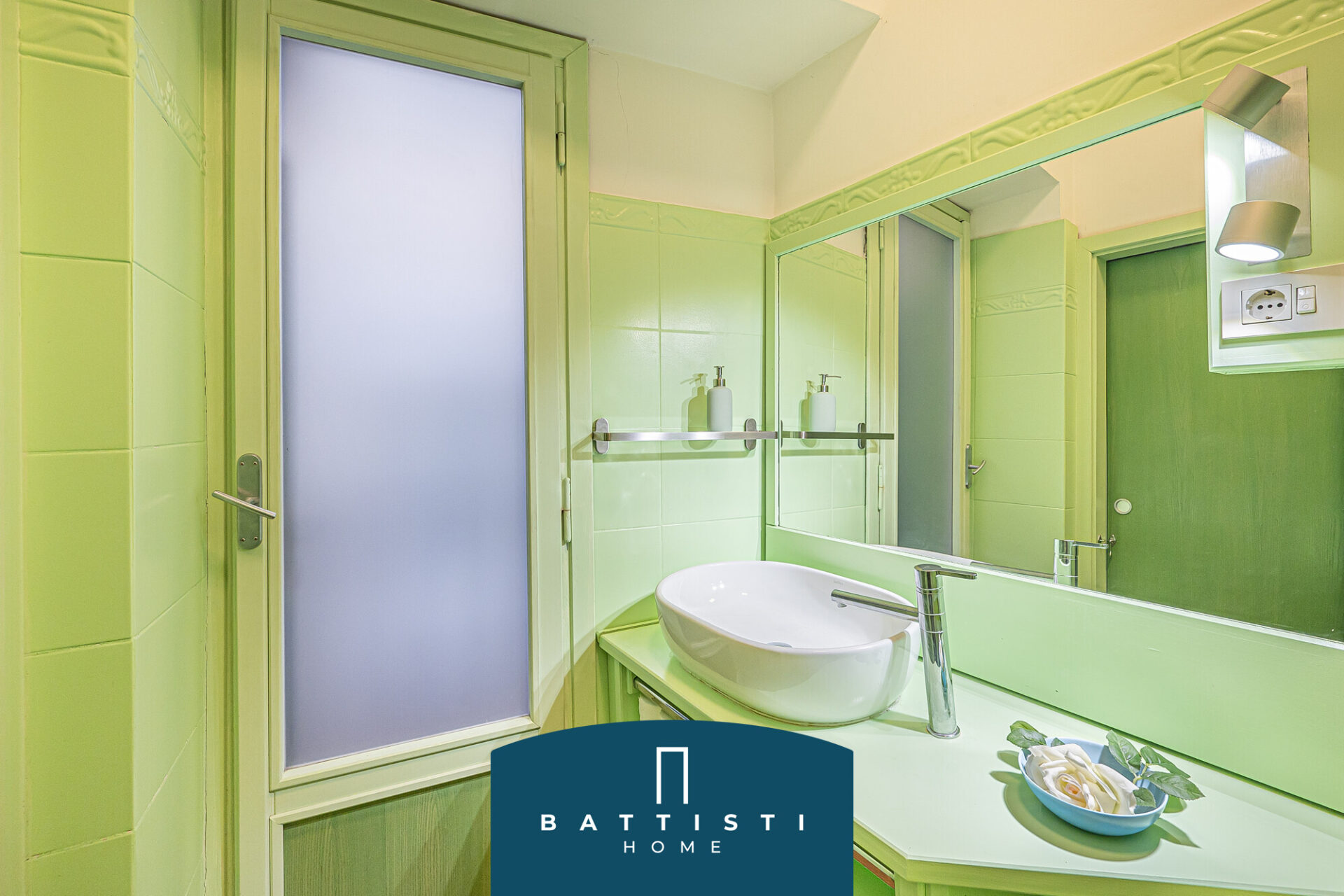
The property consists of: living room with fully equipped kitchenette, equipped with oven, refrigerator and dishwasher, double bedroom, second bedroom currently used as a guest room, windowed bathroom with shower cubicle and small balcony.
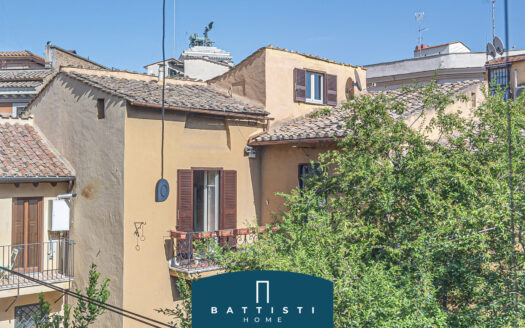
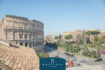
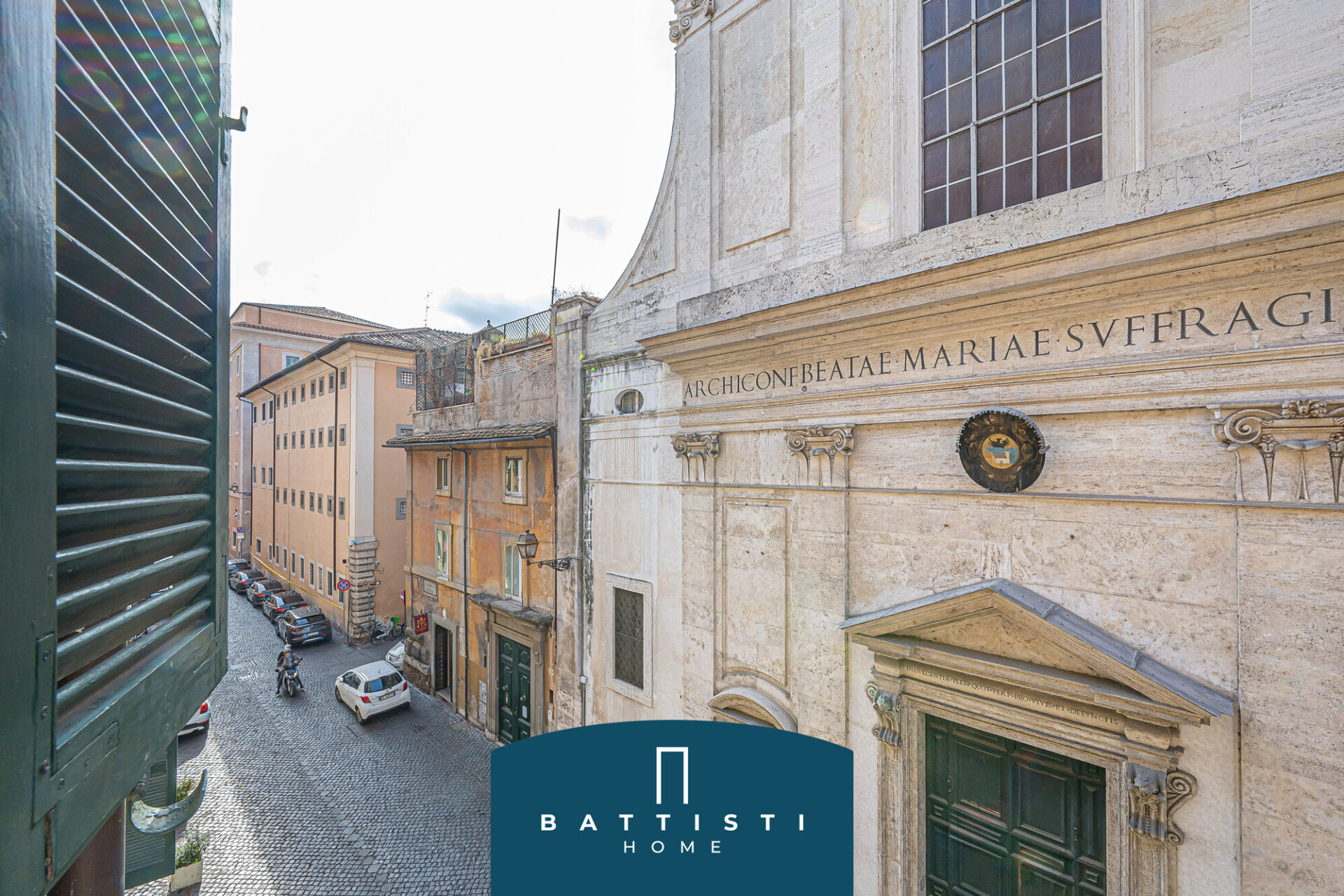
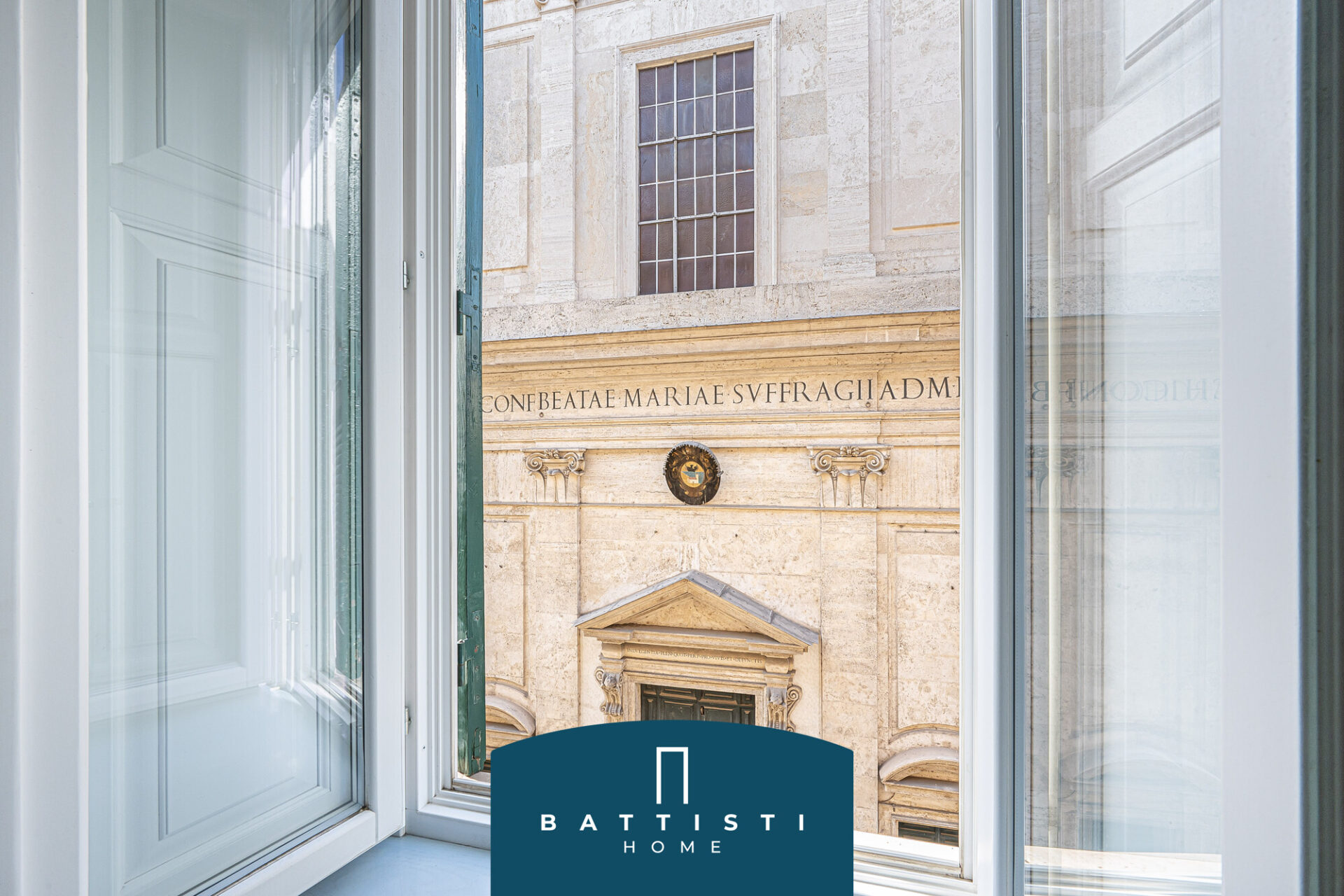
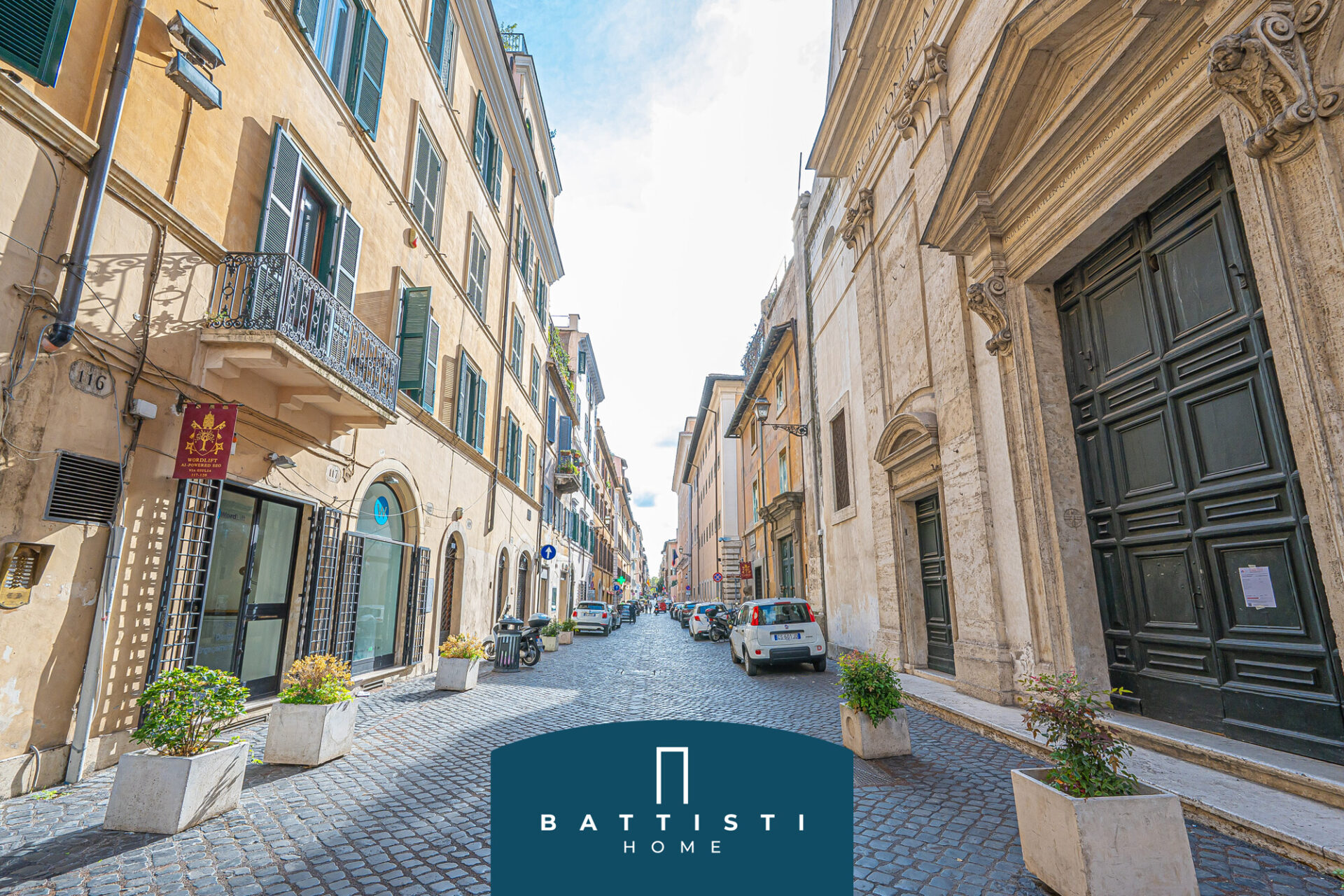
The rooms, characterized by ceilings with exposed wooden beams and entirely parquet flooring, retain the charm of the homes of the Historic Center. The external views on the facade of the Church of Santa Maria del Suffragio are particularly evocative, offering architectural views of great visual impact. The apartment is equipped with independent heating and air conditioning. The location, along the historic Via Giulia, allows you to live in one of the city’s most fascinating settings, a short distance from Rome’s main places of historical, artistic and cultural interest. Available from January 2027. 3+2 lease. Referenced only. No accommodation activities.
The request price is equal to € 1,650.00 – Real estate consultant: Daniele Battisti – Isabella Cupioli RIF152BH26 Tel 06.96006341
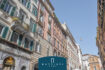
Via Giulia is one of the most prestigious streets in Rome for historical and architectural reasons. In the Middle Ages, Via Giulia was called “magistralis” because it was considered a main street; it was one of the first important urban planning projects in papal Rome. Its opening served three purposes: the creation of a thoroughfare inserted into a new system of streets in medieval Rome; the construction of a large avenue surrounded by sumptuous buildings to testify to the renewed grandeur of the church; and finally, the founding of a new administrative and banking center near the Vatican, the seat of the popes. The street immediately became one of the main centers of the Renaissance in Rome. Numerous palaces and churches were built by the most important architects of the time, such as Raffaello Sanzio and Antonio da Sangallo the Younger, who often also chose to move to the street. These were joined by several noble families, while European nations and Italian city-states chose to build their churches on or near the street. The street, a favorite address of the Roman nobility, became the scene of tournaments, festivals and carnival parades. The street connects the Piazza di Ponte Sant’Angelo area with Campo De Fiori and Piazza Navona and is shared by two districts: Rione Ponte and Rione Regola.